info@flavourblaster.com
















How to intensify the flavours in your cocktails?
Infusion is a method of extracting flavours from aromatic botanicals. It is the chemical process used in the distillation of commercial gin and liqueurs, as well as flavouring ingredients like bitters, tinctures, syrups, flower waters and cordials. It's also one of the best ways to create non-alcoholic cocktail ingredients, as you can play with the complexity of flavour without the heavy-duty costs associated with booze.
Choosing your Botanicals
Any ingredient with highly fragrant and concentrated flavour, really. Botanicals include roots, flowers, barks, fruit rinds, seeds, nuts, herbs and berries. They are usually dried, especially if traditional infusion methods are used, as the firm outer layers stand up better to the process. Soft, leafy herbs, for example, turn brown and taste very bitter if left for more than a few days, they break up if churned, and that releases bitter chlorophyll flavours. Strong alcohol can have the same effect — breaking the plant's cell walls down and releasing the bitter sap-like flavours. But, you can use them if you learn a little about the different extraction methods, so it's essential to get your head around the options to get the flavour profile you want and expect from an ingredient.

Choosing your Base
Once you've chosen your botanical flavours, you'll need a liquid base. Traditionally you can use water, alcohol or oil.
Oils are often used for medical purposes, to create soothing ointments, topical creams or oral medicines from herbs and spices, but you also see oils with chilli, rosemary or garlic infusions on the tables in pizza restaurants or in kitchens. Infused oils can make a beautiful garnish on a cocktail if dropped onto the surface of the drink in an attractive pattern, but oil won't blend with other water-based ingredients within the actual cocktail recipe, so unless you use an emollient (a blending agent), you'll struggle to mix it well.
Water- based infusions work really well. You can use more delicate ingredients like the blossoms used for orange flower water and rose water or fresher fruits and herbs. Cucumber or lemon suspended in a jug of water is technically an infusion. Add sugar, and you've made a syrup. Go one step further and add a stabilising agent to give the product shelf life, and you've got a cordial. Some commercial non-alcoholic spirit replacements are simply a well-crafted blend of botanicals on a water base.
Finally, there's alcohol. Alcohol is also typically used in medicine as it is by far the most effective way to extract the properties of more robust botanicals. Bitters were originally stomach medicines, liqueurs like Chartreuse had many medicinal uses, from wound healing to flu elixir, and even gin was invented as a diuretic. The perfume industry also suspends compounds from botanicals in alcohol. The more concentrated the scent, the more value the essences hold. Virtually every spirit base can make commercial and homemade ingredients, from tequila to vodka. The higher the strength of the alcohol, the more efficiently it will extract. Therefore, gin is based on neutral grain spirit, which is as close to 100% alcohol as you can get. You can cut the high abv down with water after adding the flavours from the botanicals if you want to replicate this commercial practice.

Choosing your Method
There are several different ways to infuse flavour, but we're going to stick with the basics. The first is a heated steep, the second is maceration, the third is decoction, then percolation, and finally, flash infusion. Each process will bring out different qualities in your botanicals. You'll need to consider how the base spirit's shelf life and flavour profile will change over time and through heating.
The Heated Steep
Steeping simply means putting a thing in liquid. You steep a teabag to make a cup of tea. You don't agitate the contents like you might in a maceration. Instead, use heat to help release the flavours from the botanicals. The important thing is to make sure that you don't boil the liquid, as boiling creates concentration. So whatever base you use, make sure you know the boiling point and don't exceed it. Using technology can help you keep the heat constant over more extended periods. A slow cooker would work, but sophisticated kitchens and bars use a sous vide. The super controlled nature of the heated water bath will allow for consistent, highly flavoursome syrups and spirits every time.
By vacuum sealing your ingredients, you get complete surface contact, increasing the chances of getting every inch of flavour available. Woody, dried herbs like rosemary or tough seeds and dried berries like pimento or peppercorns make incredible steeps, but soft fruits and herbs will only work at very low, highly controlled temperatures.
Maceration
Maceration is the process of softening ingredients in a liquid. You may use alcohol alone, motion, temperature or pressure. Anything that changes the state of the botanicals from firm to soft counts. Food items like berries or roots like ginger work really well using this technique. Sloe gin is a form of maceration. Pricking the skins of the fruit allows the freezer to begin the stages of softening without letting the fruit centre rot. Some bartenders swear by putting their macerated berries in a low heat dishwasher cycle.
Other macerations just need to be left on a shelf or picked up and shaken every now and then because the alcohol is strong enough to break the cells required to release the flavour compounds.
Decoction
Decoction is a method of extraction aimed at speeding both these processes up. First, your organic ingredients are chopped, pulped, smashed, mashed or crumbled, then added to liquid and boiled in a sealed environment. The process concentrates flavours quickly. It's used in the production of beer, stock and tisanes. Stems, roots and bark work well.For example, decoction could make lemongrass flavour, nutmeg or cinnamon flavour.
Percolation
You can grind your ingredients have the liquid pass through the grounds, much like the process of brewing coffee. You'll need some sort of filter to slow the liquid down, like a filter coffee paper. Increase the strength of flavour by repeating the process over time, or use a controlled pressure environment like an espresso machine to force liquid through compacted powder. Percolator kettles are relatively inexpensive but could make some seriously interesting concoctions.
Flash Infusion
This technique quickly couples ingredients, such as herbs, spices or fruit, with liquids such as alcohol, oil, water, or vinegar using a cream charger. Applying pressure from a nitrous oxide canister forces the alcohol into the cells of the solid ingredients. When it's depressurised again, the alcohol rushes back out, carrying the flavour with it.
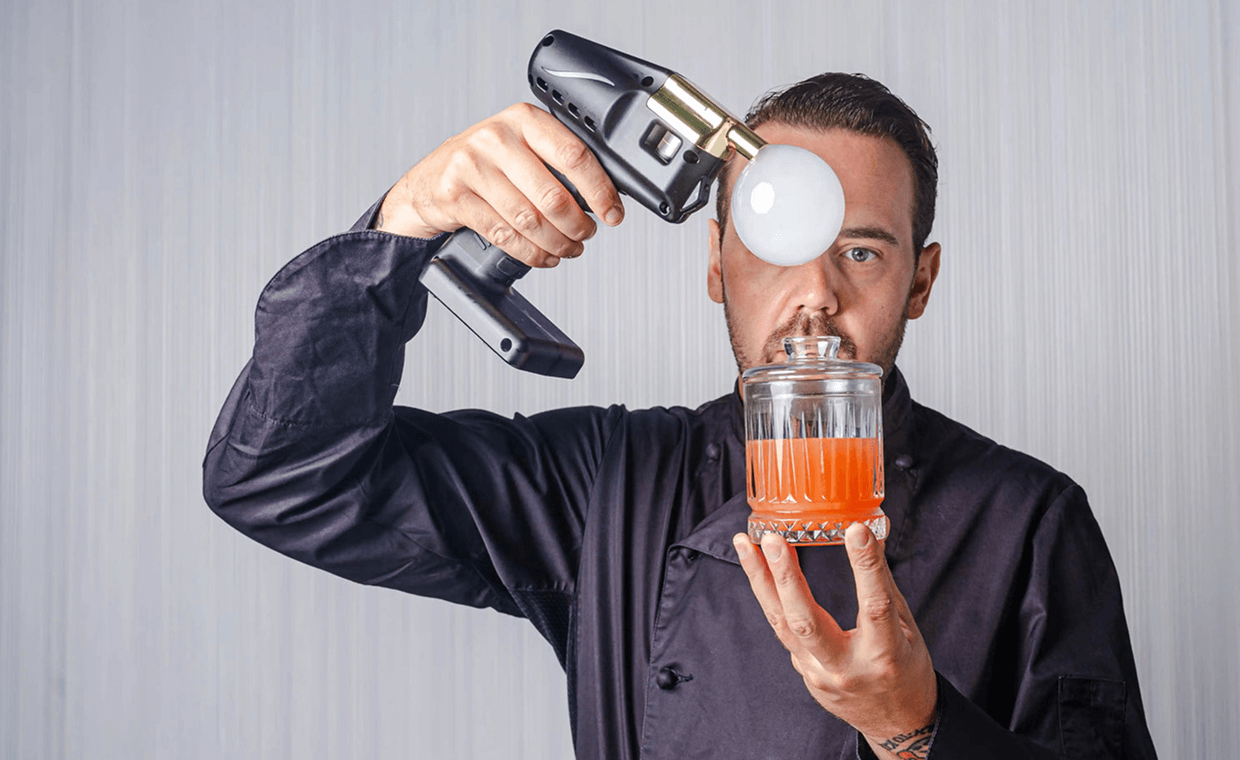
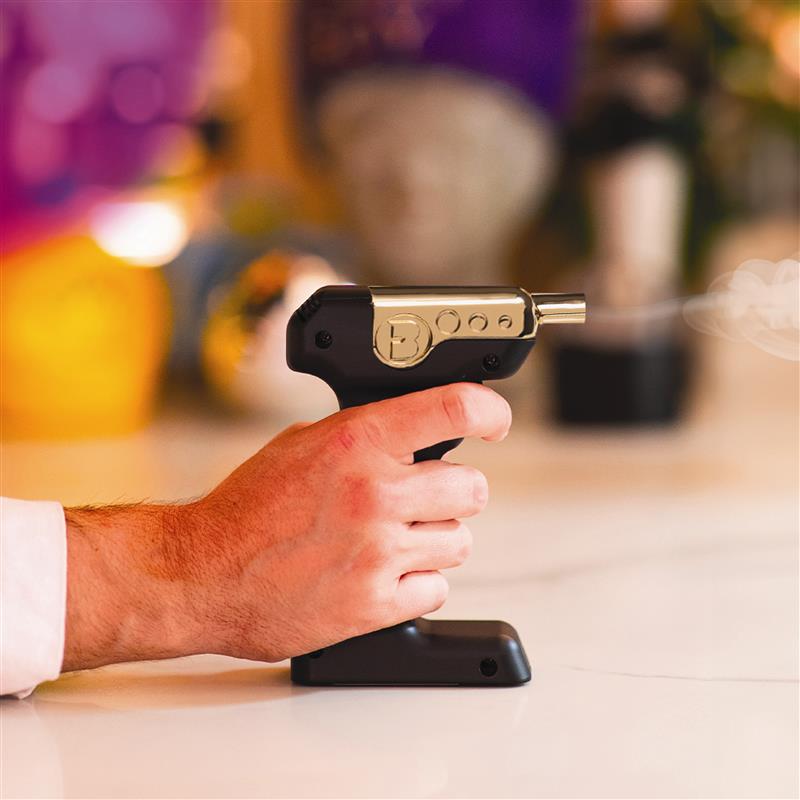
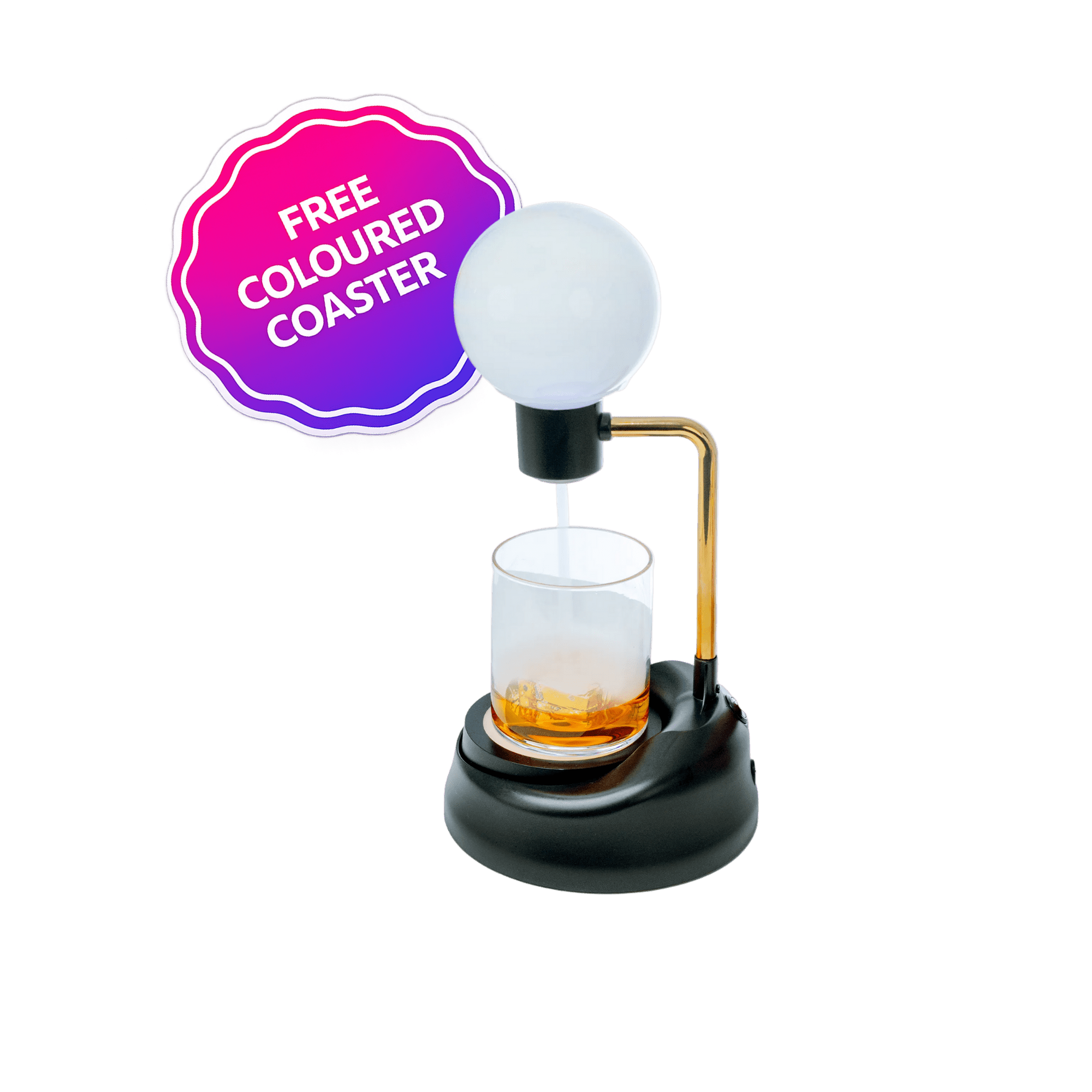
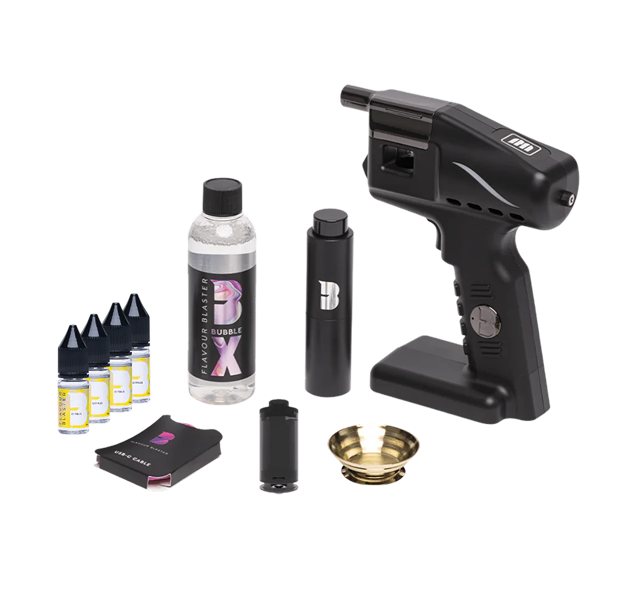
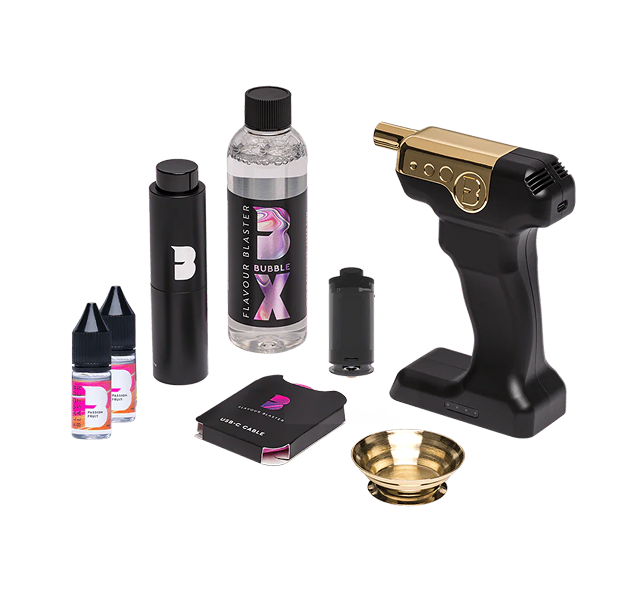
Other infusion methods take more scientific exploration and equipment, such as using a rotary evaporator, ultrasonic bath or nitro muddling. Once you're comfortable using the more basic techniques and feel how certain ingredients react and affect the flavour of your resulting infusions, it might be worth investigating them further. If you are interested in commercial techniques like fermentation and distilling, it's best to seek professional support, as these processes can be dangerous without the proper knowledge and equipment. If you want an additional aroma, or need to simplify your cocktail aromatics, there’s always the Flavour Blaster aromatics to help intensify the flavour of your drinks.